
The keto diet for runners has become a hot topic in the endurance community. Traditionally, runners have relied on carbohydrates like pasta, rice, and energy gels to fuel their training and races. The keto diet shifts this paradigm by drastically reducing carb intake and encouraging the body to burn fat as its primary energy source. Since fat stores are nearly unlimited compared to glycogen, this can be appealing for long-distance athletes who want to avoid “hitting the wall” during marathons or ultramarathons.
Supporters of the keto diet for runners argue that it improves metabolic efficiency, allowing the body to tap into fat reserves for sustained energy. Some studies suggest it may reduce dependence on frequent carb refueling and help stabilize energy levels during long runs. Additionally, runners may experience reduced inflammation and quicker recovery times thanks to fewer blood sugar spikes and crashes. This can be particularly beneficial for those training consistently or tackling back-to-back races.
However, the keto diet is not without drawbacks. Runners focusing on speed, sprinting, or high-intensity intervals may find performance hindered due to limited glycogen availability. Adaptation also takes time, often leading to sluggishness or fatigue in the early stages. Ultimately, the keto diet for runners can support endurance and fat utilization, but it may not be ideal for those prioritizing speed, explosive energy, or rapid recovery from intense sessions.
This article explores everything runners need to know about the keto diet, including its benefits, drawbacks, and practical strategies. We’ll also cover the top 8 tips for runners who want to follow the keto lifestyle to maximize results.

What is the Keto Diet?
The ketogenic diet, often called the keto diet, is a low-carbohydrate, high-fat eating plan designed to shift the body’s metabolism from using glucose as its main fuel source to burning fat. By drastically reducing carbs and increasing fat intake, the body enters a state called ketosis, where it produces ketones from fat to generate energy. This metabolic shift is what makes the diet distinct from other low-carb approaches.
In practice, the keto diet typically includes foods like meat, fish, eggs, cheese, nuts, seeds, avocados, and low-carb vegetables, while avoiding grains, starchy vegetables, and sugary foods. The goal is to keep carbohydrate intake very low—often under 50 grams per day—so the body adapts to burning fat more efficiently. This change not only affects energy levels but can also influence weight management, blood sugar control, and overall metabolic health.
For athletes, particularly endurance enthusiasts, the keto diet for runners has gained attention as an alternative fueling strategy. Since fat stores are far greater than glycogen reserves, many runners experiment with keto to improve endurance and reduce reliance on frequent carb refueling. However, while some report better energy stability and recovery, others may struggle with reduced performance at higher intensities due to limited glycogen availability.
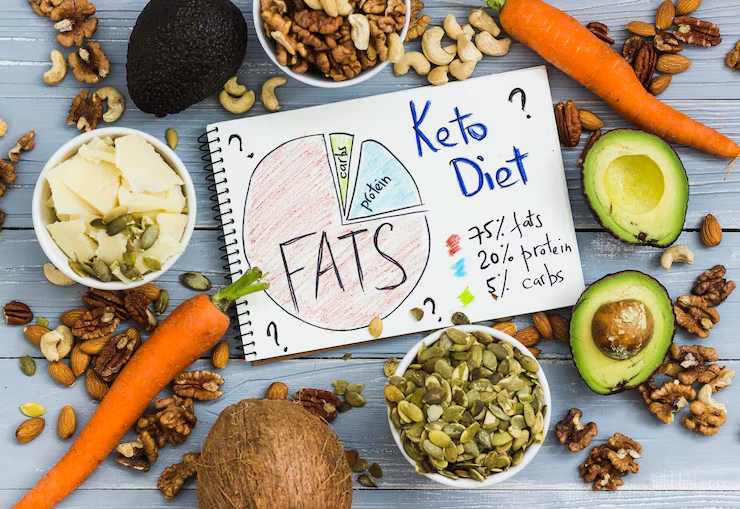
The ketogenic diet is a low-carbohydrate, high-fat diet designed to shift the body’s metabolism from burning glucose (carbohydrates) to burning fat for fuel. When carbs are drastically reduced (typically below 50 grams per day), the body enters a metabolic state called ketosis, where it produces ketones from fat to use as its primary source of energy.
Macros Breakdown:
70–75% fat
20–25% protein
5–10% carbohydrates
Why Runners Consider the Keto Diet
Many athletes are exploring the keto diet for runners as an alternative to traditional high-carbohydrate fueling. Runners typically rely on glycogen, a stored form of glucose, for energy during training and races. However, glycogen stores are limited and can deplete quickly, leading to fatigue or the dreaded “hitting the wall.” By switching to a fat-based energy system through the keto diet, runners aim to tap into the body’s nearly unlimited fat reserves for more sustained endurance.
Another reason runners consider the keto diet is the potential for more stable energy levels. Unlike carbohydrates, which can cause spikes and crashes in blood sugar, fat provides a steadier fuel source. Some runners report fewer gastrointestinal issues, reduced cravings, and improved mental clarity when training in a state of ketosis. This can be especially beneficial during long runs or ultramarathons where consistent energy is crucial.
In addition, the keto diet for runners may support recovery and reduce inflammation. By minimizing blood sugar fluctuations and lowering carb intake, some athletes notice less muscle soreness and quicker turnaround between workouts. While the benefits can be appealing, it’s important to note that adaptation takes time, and not every runner may thrive on this approach.
Running is traditionally fueled by carbs. Pasta dinners before races and energy gels during marathons are well-known practices. However, carbs provide limited fuel reserves compared to fat:
Carbohydrate storage: ~2,000 calories in the form of glycogen
Fat storage: 40,000+ calories even in lean athletes
This massive fat reserve explains why many endurance runners are curious about keto. By becoming fat-adapted, runners can access a nearly unlimited energy supply, potentially reducing the dreaded “hitting the wall” during long runs.
Benefits of the Keto Diet for Runners
One of the main benefits of the keto diet for runners is improved fat adaptation. When the body enters ketosis, it becomes more efficient at using fat as fuel, which is particularly valuable for endurance athletes. Since fat stores are far more abundant than glycogen, this allows runners to sustain longer distances without constantly needing to refuel with energy gels or carb-heavy snacks. This shift can help prevent the dreaded “bonk” during marathons or ultramarathons.
Another advantage of the keto approach is more stable energy levels. Carbohydrate-based fueling often leads to blood sugar spikes and crashes, which can result in fatigue or digestive discomfort during long runs. In contrast, a fat-based metabolism provides a steady and reliable energy source. Many athletes who adopt the keto diet for runners also report reduced gastrointestinal distress, making it easier to perform consistently during training and competition.
Additionally, the keto diet may help reduce inflammation and speed up recovery. With fewer blood sugar fluctuations and lower reliance on processed carbs, runners often experience less muscle soreness and quicker turnaround between workouts. While results vary from person to person, these potential benefits make the keto diet for runners an appealing option for those focused on endurance and long-term performance.
Improved Fat Adaptation: The body learns to efficiently use fat as fuel.
Reduced Bonking: Less reliance on glycogen means fewer crashes during long runs.
Steady Energy Levels: Avoids blood sugar spikes and crashes.
Weight Management: Helps lean out by reducing body fat.
Mental Clarity: Ketones are an efficient brain fuel, which may improve focus.
Potential Anti-Inflammatory Effects: High-fat diets can lower systemic inflammation.
How to Start Keto as a Runner
Starting the keto diet for runners requires a gradual and thoughtful approach to avoid energy crashes and maximize performance benefits. The first step is to reduce daily carbohydrate intake significantly—usually to under 50 grams per day—while increasing healthy fats such as avocados, nuts, seeds, fatty fish, and olive oil. Protein should be moderate, as too much can interfere with ketosis. During this transition, often called the “keto adaptation” phase, runners may feel sluggish or experience the “keto flu” as the body learns to use fat for fuel instead of carbs.
Hydration and electrolyte balance are critical when beginning the keto diet. As glycogen stores deplete, the body releases more water and minerals, which can lead to fatigue, cramping, or dizziness if not replenished. Runners should prioritize electrolyte-rich foods like leafy greens, nuts, and bone broth, or consider supplements with sodium, potassium, and magnesium. This helps maintain energy levels and supports performance during training.
Finally, it’s important for athletes to adjust their training expectations in the early stages. Workouts may feel harder, and speed or intensity might temporarily decrease until fat adaptation is complete. Patience is key—once fully adapted, the keto diet for runners can support greater endurance, steadier energy, and potentially faster recovery times.
Transition Slowly: Gradually reduce carb intake instead of cutting overnight.
Monitor Macros: Use apps like MyFitnessPal or Cronometer.
Stay Hydrated: Drink plenty of water to offset electrolyte loss.
Increase Salt & Electrolytes: Add sodium, potassium, and magnesium.
Allow 4–6 Weeks: Adaptation takes time; performance may initially dip.
Top Tips for Runners on the Keto Diet
Plan Your Transition Period

When starting the keto diet for runners, planning your transition period is essential. Switching from a carb-based diet to fat as your main fuel source doesn’t happen overnight. Most runners experience an adjustment phase, often lasting two to four weeks, where energy levels may dip, and workouts feel more challenging. Understanding this process helps set realistic expectations and reduces frustration.
During this period, it’s important to gradually lower carbohydrate intake while increasing healthy fats like avocados, nuts, seeds, and oils. This allows your body to slowly adapt to using fat for energy without overwhelming it. Staying consistent with your food choices will make the transition smoother and more sustainable.
Runners should also adjust their training intensity. Focusing on low to moderate-effort runs during adaptation prevents burnout and supports fat utilization. With patience and planning, the keto diet for runners becomes easier to maintain and more effective for long-term endurance.
Switching to keto takes time. Expect 3–6 weeks of reduced performance while your body adapts. Avoid scheduling races during this phase.
Prioritize Electrolytes
A key step in successfully adopting the keto diet for runners is prioritizing electrolytes. When carbohydrate intake drops, glycogen stores deplete, and the body releases more water. Along with this water loss comes essential minerals like sodium, potassium, and magnesium, which play a major role in muscle function and hydration. Without replacing these electrolytes, runners may experience fatigue, cramping, or dizziness.
To avoid these issues, runners should focus on adding electrolyte-rich foods and drinks into their diet. Options like leafy greens, nuts, seeds, bone broth, and mineral water can help restore balance naturally. Some athletes also use electrolyte supplements, especially during long training sessions or races, to maintain performance.
By staying proactive about hydration and electrolytes, the keto diet for runners becomes much easier to sustain. Proper mineral intake not only supports endurance but also helps prevent common side effects associated with the keto adaptation phase.
On keto, insulin levels drop, leading to sodium and fluid loss. Low electrolytes can cause cramps and fatigue. Supplement with:
3,000–5,000 mg sodium
3,000–4,000 mg potassium
300–500 mg magnesium
Use Targeted or Cyclical Keto for Intensity

One challenge with the keto diet for runners is maintaining high-intensity performance since glycogen stores are limited on a strict ketogenic plan. For runners who train with speed intervals, sprints, or hill work, targeted or cyclical keto can be effective solutions. These approaches allow athletes to use carbohydrates strategically without abandoning the benefits of fat adaptation.
In targeted keto, small amounts of fast-digesting carbs are consumed right before intense workouts. This gives muscles the quick energy they need for explosive efforts while the body remains in ketosis the rest of the time. It’s especially useful for track sessions or races requiring bursts of speed.
Cyclical keto, on the other hand, involves reintroducing higher-carb days once or twice a week to refill glycogen stores. This method supports recovery and power output while maintaining overall fat-burning efficiency. For competitive athletes, these strategies make the keto diet for runners more flexible and performance-friendly.
If you regularly train with sprints or intervals, consider:
Targeted Keto (TKD): Add 20–50g of carbs before workouts.
Cyclical Keto (CKD): 1–2 days per week of higher carb intake.
Fuel Long Runs with Fats
One of the biggest adjustments with the keto diet for runners is learning how to fuel long runs without relying on carbohydrates. Since the body is trained to use fat as its primary energy source in ketosis, runners can tap into their abundant fat stores to sustain endurance over many miles. This reduces the need for frequent carb-based gels or sports drinks during training and races.
Practical fueling strategies include consuming fat-rich snacks before or during long runs, such as nut butters, coconut oil, or fat-based energy bars. Some runners also rely on medium-chain triglyceride (MCT) oil, which provides quick, easily digestible fat energy. Staying hydrated and keeping electrolytes balanced enhances this fat-fueled approach.
By shifting the focus to fat as a primary fuel, the keto diet for runners can provide steadier energy, fewer digestive issues, and greater endurance capacity—ideal for marathoners and ultrarunners aiming for consistency over distance.
Instead of gels, try:
MCT oil
Nut butters
Fat bombs
Keto-friendly electrolyte drinks
Track Your Ketosis

Tracking progress is an important part of the keto diet for runners, especially during the adaptation phase. Since the goal of keto is to switch from burning carbohydrates to using fat and ketones for energy, monitoring ketosis helps ensure that the diet is working effectively. This can prevent frustration and give runners confidence that their fueling strategy is on track.
There are several methods to measure ketosis, including urine strips, breath analyzers, and blood ketone meters. While urine strips are inexpensive and good for beginners, blood testing is the most accurate way to confirm ketone levels. Regular tracking allows athletes to fine-tune their food choices and adjust carb intake if needed.
By consistently checking ketosis, runners can better understand how their body responds to training and nutrition. This makes the keto diet for runners more effective, helping athletes maximize fat adaptation, maintain steady energy, and improve long-distance performance.
Use blood ketone meters or urine strips to monitor ketosis. Ideal running ketone range: 0.5–3.0 mmol/L.
Focus on Recovery Foods
Recovery is a crucial part of any training plan, and it becomes even more important when following the keto diet for runners. After long runs or intense workouts, the body needs the right nutrients to repair muscles, reduce inflammation, and restore energy. Since carbs are limited on keto, runners must focus on high-quality proteins and fats to support recovery effectively.
Ideal post-run recovery foods include eggs, fatty fish like salmon, chicken, avocado, nuts, seeds, and leafy greens. These provide essential amino acids for muscle repair and healthy fats that reduce inflammation. Adding electrolyte-rich foods or bone broth can also help replace minerals lost during sweat, further aiding recovery.
By prioritizing nutrient-dense, whole foods, runners can recover faster and maintain training consistency. Proper recovery ensures long-term progress and reduces the risk of injury, making the keto diet for runners a sustainable choice for endurance athletes aiming for peak performance.
Protein and fat are key post-run. Examples:
Salmon with avocado
Eggs with cheese
Keto smoothie (coconut milk, protein powder, spinach)
Experiment in Training, Not Races
A smart rule for athletes on the keto diet for runners is to test fueling strategies during training, not on race day. Every runner’s body responds differently to fat-based fueling, and adaptation can take weeks. Trying new foods, supplements, or timing during an important race may lead to digestive issues, fatigue, or unexpected energy crashes. Training sessions are the best place to experiment safely.
During long runs or speed workouts, runners can test how their body reacts to fat-based snacks like nut butter, MCT oil, or keto-friendly energy bars. Tracking performance, recovery, and overall energy levels helps determine what works best for the individual. This process reduces guesswork and builds confidence.
By practicing in training, athletes create a personalized strategy that feels natural on race day. This ensures the keto diet for runners supports both endurance and performance, without surprises when it matters most.
Never try keto adjustments on race day. Test your fat-fueled strategies during long runs first.
Listen to Your Body

One of the most important aspects of the keto diet for runners is learning to listen to your body. While many athletes thrive on fat adaptation, others may find that strict keto limits their performance, especially during high-intensity training. Paying attention to signals such as fatigue, muscle cramps, or prolonged recovery times can help determine whether adjustments are needed.
If energy levels remain low, it may be beneficial to increase electrolyte intake, tweak fat and protein ratios, or even experiment with targeted or cyclical keto. Each runner’s metabolism and training demands are unique, so flexibility is key. Ignoring warning signs can lead to burnout or injury.
Ultimately, the keto diet for runners should enhance performance, not hinder it. By staying mindful of how the body responds and making gradual, personalized adjustments, athletes can find the balance that supports endurance, recovery, and long-term success in their running journey.
Not every runner thrives on keto. If performance, mood, or recovery declines long-term, you may need more carbs.
Sample Keto-Friendly Meal Plan for Runners
| Meal | Foods Included | Purpose for Runners |
|---|---|---|
| Breakfast | Scrambled eggs with spinach, avocado, and olive oil | High in healthy fats and protein to fuel the day and support muscle repair |
| Snack | Handful of almonds or macadamia nuts | Portable fat-rich snack for steady energy |
| Lunch | Grilled salmon with zucchini noodles tossed in pesto | Omega-3 fats for recovery and anti-inflammatory benefits |
| Pre-Run Snack | MCT oil coffee or a spoonful of almond butter | Quick fat-based energy source before training |
| Post-Run Recovery | Chicken salad with olive oil, leafy greens, cucumber, and pumpkin seeds | Protein and electrolytes to aid muscle repair and hydration |
| Dinner | Baked chicken thighs with roasted cauliflower and cheese | Balanced fat and protein for overnight recovery |
| Evening Snack | Keto chia seed pudding with coconut milk | Low-carb dessert that supports satiety and adds extra healthy fats |
Conclusion

The keto diet for runners has become an intriguing alternative to the traditional carbohydrate-heavy fueling strategy. By shifting the body’s metabolism to rely more on fat for energy, it offers a sustainable energy source for long-distance efforts. Runners who adapt successfully to ketosis often report more stable energy, fewer digestive issues during runs, and reduced reliance on carb-heavy snacks or gels. This can be especially beneficial for marathoners and ultramarathoners who need consistent fuel over extended periods.
However, it is important to recognize that the keto diet for runners is not a one-size-fits-all solution. Some athletes thrive on fat adaptation, while others may struggle with high-intensity performance due to limited glycogen availability. The adaptation phase can also be challenging, often requiring several weeks of patience, proper electrolyte management, and careful food planning. Strategies like targeted or cyclical keto can provide flexibility for runners who want the benefits of fat adaptation while still supporting speed and power when needed.
Ultimately, the effectiveness of the keto diet for runners depends on individual goals, training style, and body response. For endurance athletes focused on long-distance events, keto can provide significant advantages in energy stability and recovery. On the other hand, runners prioritizing speed and explosive power may find traditional carb fueling more effective. By experimenting during training, listening to the body, and making adjustments as needed, runners can decide if keto aligns with their performance goals and lifestyle. With the right approach, it can become a powerful tool for endurance and long-term health.
FAQs
Q1. Can runners perform well on the keto diet?
Yes, many endurance runners perform well once they adapt to using fat as their primary fuel. However, speed and high-intensity performance may decline since glycogen is limited on a strict keto plan.
Q2. How long does it take to adapt to the keto diet for runners?
Most runners need 2–4 weeks to fully adapt, though some may take longer. During this phase, energy levels may dip, and workouts can feel harder until the body adjusts to burning fat efficiently.
Q3. Do runners need to eat carbs while on keto?
On strict keto, carbs are limited to under 50 grams per day. However, targeted or cyclical keto approaches allow small amounts of carbs before workouts or on certain days to support high-intensity training.
Q4. What should runners eat for recovery on keto?
Focus on protein-rich and fat-dense foods like eggs, chicken, fatty fish, avocado, nuts, and leafy greens. These support muscle repair, reduce inflammation, and help replenish electrolytes lost during long runs.
Q5. Is the keto diet for runners suitable for everyone?
Not necessarily. While some runners thrive on fat adaptation, others may feel sluggish or struggle with speed. It depends on individual goals—keto works best for endurance-focused athletes but may not suit sprinters or those prioritizing short bursts of power.