Cortisol, commonly known as the “stress hormone,” is secreted by the adrenal glands in response to physical or emotional stress. In short bursts, cortisol is beneficial—it increases energy availability, sharpens focus, and helps regulate essential functions like blood sugar and blood pressure. However, prolonged stress can cause cortisol levels to stay elevated, which puts excessive strain on the body. When this happens, it disrupts the balance of many systems, potentially leading to chronic fatigue, poor sleep quality, and a weakened immune system.
Persistently high cortisol levels have been linked to weight gain, particularly around the abdomen, as the hormone promotes fat storage and stimulates cravings for high-calorie foods. It can also negatively impact cardiovascular health by elevating blood pressure and increasing the risk of heart disease. Cognitive functions such as memory and concentration may decline, and mood disturbances like anxiety or depression can worsen over time. Additionally, elevated cortisol suppresses digestive and reproductive functions, making long-term stress harmful for overall well-being.
A balanced cortisol-reducing diet plan is one of the most effective strategies for restoring hormonal health. Such a plan emphasizes whole grains, leafy greens, lean proteins, fruits, and healthy fats, all of which stabilize blood sugar and support the nervous system. Foods rich in magnesium, like almonds and spinach, help relax the body, while omega-3 sources such as salmon and walnuts reduce inflammation. Limiting stimulants like caffeine and refined sugar further prevents cortisol spikes. Paired with stress-management practices such as yoga, meditation, and proper sleep, a cortisol-reducing diet plan creates a powerful foundation for lowering stress, promoting emotional resilience, and protecting long-term physical well-being.
Weight gain (especially belly fat)
Anxiety and depression
Poor sleep quality
High blood sugar
Suppressed immunity
Increased risk of cardiovascular disease
Fortunately, one of the most effective natural ways to manage cortisol is through diet. The foods you eat have a direct impact on your hormone levels, stress response, and overall well-being. By adopting a cortisol-reducing diet plan, you can nourish your body, balance your hormones, and improve resilience against daily stress.

Understanding Cortisol: Why It Matters
Cortisol is a vital hormone produced by the adrenal glands, often called the “stress hormone” because it is released during times of physical or emotional pressure. In healthy amounts, cortisol helps regulate metabolism, blood sugar, and blood pressure while also boosting energy to manage daily challenges. It plays an essential role in maintaining balance, especially during stressful situations, ensuring the body can respond quickly and effectively.
However, problems arise when cortisol levels stay elevated for extended periods due to chronic stress. High cortisol can disrupt sleep patterns, weaken the immune system, and contribute to weight gain, particularly around the midsection. It is also linked to mood disturbances such as anxiety and depression, while impairing memory and focus. Long-term imbalance may increase the risk of heart disease and other chronic conditions, making stress management crucial for overall well-being.
One effective approach to restoring balance is through a cortisol-reducing diet plan. This plan emphasizes nutrient-dense foods like whole grains, leafy greens, lean proteins, and omega-3-rich sources such as salmon and walnuts. Limiting processed sugar, caffeine, and alcohol can further prevent unnecessary hormone spikes. When combined with healthy lifestyle practices like exercise, meditation, and quality sleep, a cortisol-reducing diet plan can significantly improve resilience and support long-term health.
Before diving into the diet, let’s first understand what cortisol is and how it affects your body:
Produced in the adrenal glands, cortisol helps control your body’s fight-or-flight response.
It influences energy by regulating how your body uses carbohydrates, fats, and proteins.
Cortisol also manages blood sugar, inflammation, blood pressure, and circadian rhythm.
When cortisol levels remain high for long periods due to chronic stress, poor diet, or lack of sleep, it can lead to:
Increased appetite and sugar cravings
Abdominal weight gain (especially visceral fat)
Sleep disturbances
Anxiety, irritability, or brain fog
Suppressed immunity
Elevated blood pressure and risk of heart disease
Diet plays a huge role in either spiking or stabilizing cortisol levels. Eating processed, sugary, and inflammatory foods can keep your body in stress mode, while nutrient-rich whole foods can bring cortisol back into balance.
Top Tips for a Cortisol-Reducing Diet Plan
Prioritize Whole Foods
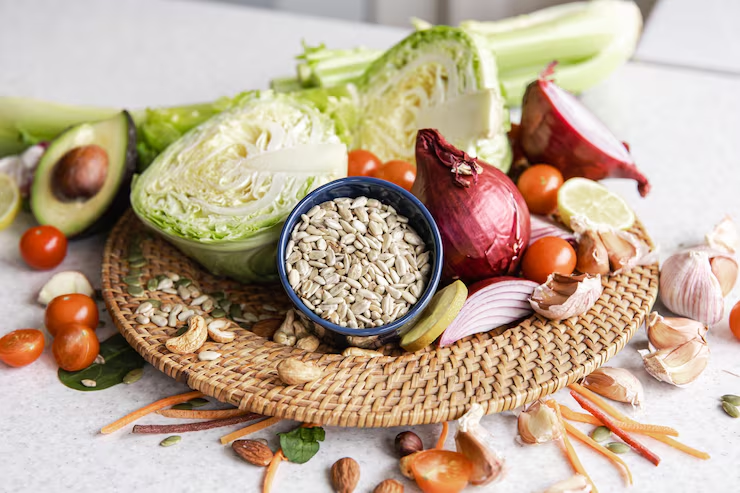
A Cortisol-Reducing Diet Plan begins with the foundation of whole, unprocessed foods. Fresh vegetables, fruits, whole grains, and lean proteins provide the body with essential nutrients that help regulate hormone levels. Unlike processed foods that spike blood sugar and stress the body, whole foods stabilize energy and keep cortisol balanced throughout the day. By choosing nutrient-dense options, you create a diet that supports both physical and mental resilience.
Eating colorful vegetables and fruits ensures a wide range of antioxidants, which help fight oxidative stress caused by high cortisol. Whole grains such as quinoa, brown rice, and oats offer sustained energy while supporting healthy digestion. Lean proteins like chicken, turkey, and legumes supply amino acids necessary for muscle repair and neurotransmitter production, which are crucial during stressful times.
Incorporating whole foods consistently reduces reliance on refined sugar and processed snacks that trigger cortisol spikes. Over time, this habit enhances mood stability, strengthens immunity, and improves energy balance. A Cortisol-Reducing Diet Plan rooted in whole foods is not just about managing stress but also about building a lifestyle that promotes long-term wellness and hormonal balance.
Focus on Magnesium-Rich Foods
Magnesium is often called the “relaxation mineral” because of its role in calming the nervous system. Including magnesium-rich foods in your Cortisol-Reducing Diet Plan can significantly reduce stress and support better sleep. Foods such as spinach, pumpkin seeds, almonds, and avocado supply this vital nutrient, which helps regulate muscle function, blood pressure, and cortisol release.
When cortisol levels remain elevated, the body burns through magnesium more quickly, leading to deficiencies that worsen stress symptoms. Restoring magnesium through diet helps prevent this cycle. Dark chocolate (in moderation) is another excellent source of magnesium and can be a satisfying, healthy treat. By regularly incorporating these foods, you encourage natural relaxation and improved emotional stability.
Over time, a diet rich in magnesium helps reduce anxiety, ease muscle tension, and support a healthier sleep cycle—all of which lower cortisol naturally. By making magnesium-rich foods a staple in your meals, your Cortisol-Reducing Diet Plan becomes more effective in addressing both the immediate and long-term effects of stress on the body.
Incorporate Omega-3 Fatty Acids
Healthy fats play an essential role in regulating hormones, and omega-3 fatty acids are particularly important in a Cortisol-Reducing Diet Plan. Found in salmon, walnuts, chia seeds, and flaxseeds, omega-3s help lower inflammation caused by prolonged stress. Chronic inflammation not only worsens cortisol imbalance but also increases the risk of heart disease and cognitive decline.
Research shows that omega-3 fatty acids can help regulate mood, reduce anxiety, and improve focus. These fats support brain health by aiding in neurotransmitter activity and reducing stress-induced damage. Regular consumption of omega-3-rich foods also contributes to cardiovascular health, countering the negative effects of elevated cortisol such as high blood pressure.
Adding omega-3 sources to your meals a few times per week is simple yet highly effective. Whether grilled salmon for dinner, chia seed pudding for breakfast, or walnuts as a snack, these small changes make a big impact. Including omega-3 fatty acids in your Cortisol-Reducing Diet Plan ensures long-term hormone balance, improved mood, and stronger overall health.
Limit Processed Sugars

One of the biggest disruptors of hormonal balance is excessive sugar intake. A key step in a Cortisol-Reducing Diet Plan is reducing refined sugars and processed snacks that spike blood sugar levels. When sugar intake is high, the body produces insulin to manage glucose, which triggers stress responses and keeps cortisol elevated longer than necessary.
This constant cycle of sugar highs and crashes puts additional strain on the body. High cortisol combined with unstable blood sugar leads to fatigue, cravings, irritability, and even weight gain. Processed foods such as candy, soda, and pastries also provide little nutritional value, further depleting the body of the vitamins and minerals needed for hormone regulation.
By choosing natural sweeteners like honey, dates, or fruit in moderation, you can satisfy your sweet tooth without overwhelming the body. Replacing sugary snacks with nutrient-dense alternatives stabilizes energy levels and reduces stress. A Cortisol-Reducing Diet Plan that limits sugar is not restrictive but empowering, giving your body the chance to reset and function at its best.
Stay Hydrated
Hydration is often overlooked, but it is vital for maintaining balanced hormone levels. A Cortisol-Reducing Diet Plan emphasizes proper water intake because dehydration itself is a form of physical stress that raises cortisol. Drinking enough fluids throughout the day supports metabolism, digestion, and energy levels, all of which keep the stress response under control.
Even mild dehydration can impair focus, cause fatigue, and trigger the release of stress hormones. By ensuring you drink water consistently, you help regulate blood pressure and keep the body’s systems functioning efficiently. Herbal teas such as chamomile or peppermint are also excellent hydrating choices with added calming effects.
Carrying a reusable water bottle and setting hydration reminders are simple ways to build this habit. Including hydrating foods like cucumbers, watermelon, and oranges also contributes to fluid intake. Making hydration a priority within your Cortisol-Reducing Diet Plan ensures that your body has the resources it needs to stay balanced and stress-resilient.
Balance Protein Intake
Protein is an essential component of a Cortisol-Reducing Diet Plan because it stabilizes blood sugar and provides the building blocks for neurotransmitters that regulate mood. Unlike refined carbohydrates that cause energy crashes, protein offers steady fuel for the body and reduces stress-related cravings.
Including lean protein sources such as chicken, fish, beans, lentils, and Greek yogurt supports muscle health and energy levels. Protein also plays a role in repairing tissues damaged by prolonged stress and prevents the breakdown of muscle that occurs when cortisol is high. This makes protein especially important for maintaining strength and resilience under stress.
Eating moderate amounts of protein with each meal ensures that blood sugar remains stable throughout the day, preventing cortisol spikes. A balanced approach—pairing protein with healthy fats and complex carbs—creates a steady supply of nutrients. Making protein a priority in your Cortisol-Reducing Diet Plan ensures both physical vitality and emotional balance.
Choose Anti-Inflammatory Foods

Chronic stress increases inflammation, which worsens cortisol imbalance and overall health. A smart Cortisol-Reducing Diet Plan includes anti-inflammatory foods such as berries, leafy greens, turmeric, ginger, and olive oil. These foods help reduce the stress burden on the body and promote faster recovery from daily challenges.
Inflammation triggered by stress can affect the brain, heart, and immune system, leading to fatigue, mood swings, and long-term illness. Anti-inflammatory foods contain antioxidants and phytonutrients that protect cells from stress-related damage. For example, turmeric’s active compound curcumin is widely studied for its ability to lower stress-induced inflammation.
Incorporating these foods daily makes a significant difference. A smoothie with berries and spinach, a meal cooked with olive oil, or tea brewed with ginger and turmeric are simple ways to add them. By emphasizing anti-inflammatory foods, your Cortisol-Reducing Diet Plan becomes a powerful tool for reducing stress at the cellular level and protecting long-term wellness.
Practice Mindful Eating
Mindful eating is not just about what you eat but how you eat. A Cortisol-Reducing Diet Plan becomes more effective when meals are enjoyed slowly and without distractions. Eating in a calm environment allows the body to shift from “fight or flight” mode into “rest and digest,” lowering cortisol levels naturally.
When meals are rushed or eaten under stress, digestion suffers, leading to bloating, nutrient deficiencies, and further hormonal imbalance. By chewing food thoroughly and appreciating flavors, you give the body time to process nutrients effectively. This practice also prevents overeating, which can trigger additional stress responses.
Simple habits like putting away electronic devices, practicing gratitude before meals, or pausing between bites foster mindfulness. Over time, these habits make eating more enjoyable and less stressful. Integrating mindful eating into your Cortisol-Reducing Diet Plan ensures that nutrition not only fuels the body but also calms the mind, creating a balanced approach to managing stress.
Sample 7-Day Cortisol-Reducing Diet Plan
| Day | Breakfast | Lunch | Dinner | Snacks |
|---|---|---|---|---|
| Day 1 | Oatmeal with chia seeds, blueberries & walnuts | Quinoa salad with spinach, chickpeas, cucumber & olive oil | Grilled salmon, roasted sweet potatoes & steamed broccoli | Pumpkin seeds & green tea |
| Day 2 | Greek yogurt with flaxseeds, strawberries & almonds | Lentil soup with whole-grain bread & mixed greens | Baked chicken breast, brown rice & sautéed zucchini | Apple slices with almond butter |
| Day 3 | Smoothie with spinach, banana, avocado & chia seeds | Turkey wrap with whole wheat tortilla, hummus & veggies | Grilled trout, quinoa & roasted asparagus | Dark chocolate (70%) & walnuts |
| Day 4 | Scrambled eggs with spinach & whole-grain toast | Quinoa bowl with roasted chickpeas, kale & tahini dressing | Stir-fried tofu with brown rice & mixed vegetables | Carrot sticks with hummus |
| Day 5 | Overnight oats with pumpkin seeds, raspberries & almond milk | Grilled salmon salad with arugula, tomatoes & olive oil | Baked turkey meatballs, quinoa & roasted Brussels sprouts | Handful of almonds & chamomile tea |
| Day 6 | Smoothie bowl with chia seeds, blueberries & walnuts | Chickpea & avocado salad with whole-grain crackers | Grilled chicken breast, roasted sweet potatoes & spinach | Greek yogurt with flaxseeds |
| Day 7 | Whole-grain pancakes with almond butter & sliced banana | Lentil & spinach curry with brown rice | Baked cod with quinoa & roasted broccoli | Handful of pumpkin seeds & peppermint tea |
Lifestyle Habits That Support a Cortisol-Reducing Diet
A Cortisol-Reducing Diet Plan is most effective when combined with supportive lifestyle habits that reduce stress and promote balance. One essential practice is ensuring adequate sleep. Lack of quality sleep not only raises cortisol but also disrupts appetite-regulating hormones, leading to cravings and poor food choices. Aiming for 7–9 hours of restful sleep each night helps reset the body and allows the diet to work more efficiently. Creating a consistent bedtime routine, reducing screen time before bed, and practicing relaxation techniques like deep breathing can improve sleep quality and lower cortisol naturally.
Regular physical activity is another key lifestyle habit that complements a Cortisol-Reducing Diet Plan. Exercise helps regulate cortisol by releasing endorphins, which improve mood and energy. However, balance is important—while moderate exercise such as walking, yoga, or swimming lowers cortisol, excessive high-intensity workouts may actually raise it. Including movement throughout the day, whether it’s stretching, gardening, or even mindful breathing breaks, helps reduce stress and support overall well-being. Pairing nutritious meals with mindful movement creates a holistic approach to stress management.
Finally, practicing mindfulness and stress-reduction techniques strengthens the effects of a Cortisol-Reducing Diet Plan. Meditation, journaling, and spending time in nature help calm the nervous system, reducing the likelihood of stress-induced cortisol spikes. Social connections also play a vital role, as positive relationships provide emotional support and reduce feelings of isolation. By combining mindful practices with nutrient-dense foods, hydration, and balanced exercise, the body and mind work together in harmony. These lifestyle choices not only enhance the benefits of a cortisol-conscious diet but also build resilience, leading to lasting health and improved stress management.
Conclusion

Managing stress effectively requires a holistic approach that goes beyond temporary fixes. Cortisol, the body’s primary stress hormone, plays a vital role in energy regulation, blood pressure, and immune function, but when levels remain elevated, it can take a serious toll on health. A Cortisol-Reducing Diet Plan offers a natural and sustainable way to keep this hormone in balance. By focusing on whole foods, reducing processed sugars, and incorporating nutrient-dense ingredients, you give your body the tools it needs to stay resilient in the face of stress.
What makes a Cortisol-Reducing Diet Plan powerful is its ability to work hand in hand with other healthy habits. Prioritizing sleep, staying active, and practicing mindfulness amplify the benefits of nutrition, creating a complete stress-management system. This balanced lifestyle helps stabilize blood sugar, supports brain health, and protects against long-term risks such as heart disease and chronic fatigue. When diet and lifestyle align, the body is better equipped to handle daily challenges without falling into cycles of stress and burnout.
Ultimately, a Cortisol-Reducing Diet Plan is not just about lowering cortisol—it’s about building a healthier, more sustainable way of living. Every choice you make, from what you eat to how you rest and move, contributes to overall balance. By consistently nourishing your body with anti-inflammatory foods, staying hydrated, and creating mindful daily routines, you cultivate long-term wellness. Stress will always be part of life, but with the right diet and lifestyle habits, you can transform how your body responds to it, ensuring better energy, focus, and emotional stability for years to come.
FAQs
Q1. What foods lower cortisol naturally?
Magnesium-rich foods, omega-3 sources, leafy greens, and whole grains support hormonal balance and reduce stress-related cortisol spikes.
Q2. How does sleep affect cortisol?
Poor sleep elevates cortisol, while 7–9 hours of restful sleep helps regulate hormones and supports overall physical and emotional balance.
Q3. Can exercise help reduce cortisol?
Yes, moderate exercise like walking, swimming, or yoga lowers cortisol, while excessive high-intensity workouts may increase stress hormone levels.
Q4. What is a Cortisol-Reducing Diet Plan?
A Cortisol-Reducing Diet Plan emphasizes whole foods, balanced nutrients, and anti-inflammatory choices that stabilize hormones and promote long-term wellness.
Q5. Is caffeine bad for cortisol levels?
Too much caffeine spikes cortisol, disrupts sleep, and increases stress. Limiting coffee or replacing it with herbal teas is beneficial.