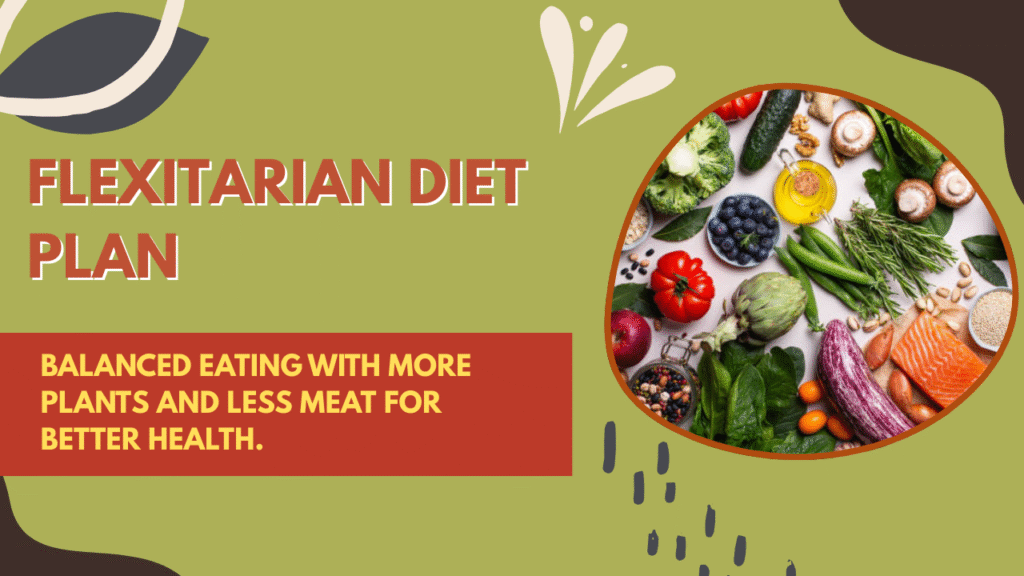
The flexitarian diet plan has become one of the most popular approaches for people seeking a healthier and more sustainable lifestyle. Unlike restrictive diets that completely eliminate certain foods, this eating style focuses on balance and variety. At its core, it emphasizes plant-based meals packed with fruits, vegetables, whole grains, legumes, nuts, and seeds, while still leaving space for occasional animal products such as lean meats, fish, or dairy. This flexibility makes it easier for individuals to stick with long term, compared to strict vegetarian or vegan diets.
One of the biggest benefits of the flexitarian diet plan is its positive impact on health. Research suggests that reducing meat consumption while increasing plant-based foods can help lower the risk of heart disease, type 2 diabetes, and certain cancers. The high intake of fiber, antioxidants, and essential nutrients supports better digestion, stable energy levels, and weight management. Since the diet doesn’t completely cut out animal products, it also reduces the risk of nutrient deficiencies that sometimes occur with stricter diets.
Beyond personal health, this way of eating is also kinder to the environment. By prioritizing plant-based foods, the flexitarian diet plan helps lower greenhouse gas emissions and reduces pressure on natural resources. Even small changes, such as replacing a few meat-based meals with plant-based alternatives each week, can collectively make a significant difference for the planet. This balance of personal wellness and environmental responsibility makes the flexitarian lifestyle both practical and impactful.
If you’ve ever thought of going vegetarian but struggled with the idea of giving up animal products entirely, the flexitarian diet plan may be the perfect fit for you. This article will take you deep into what this diet is all about, its benefits, meal ideas, and the top 8 tips to succeed. By the end, you’ll have a clear roadmap to start your own flexitarian journey.

What Is a Flexitarian Diet?
A flexitarian diet is a flexible approach to healthy eating that combines the benefits of plant-based meals with the option to occasionally include meat, fish, or dairy. Unlike strict vegetarian or vegan diets, it does not completely cut out animal products, making it easier for people to adopt and sustain in the long run. The focus is on eating mostly whole, minimally processed plant foods such as fruits, vegetables, legumes, nuts, seeds, and whole grains, while treating animal protein as a complement rather than the main feature of a meal.
The appeal of the flexitarian diet plan lies in its balance. By prioritizing plant-based nutrition without eliminating favorite foods entirely, it allows people to enjoy a wider variety of meals while still reaping significant health benefits. Studies show that following this lifestyle can help improve heart health, support weight management, and lower the risk of chronic illnesses like diabetes and certain cancers. At the same time, it ensures adequate intake of nutrients like protein, iron, and vitamin B12 through occasional animal-based foods.
This diet also supports environmental sustainability. By eating fewer animal products, individuals can help reduce greenhouse gas emissions, conserve water, and protect ecosystems. The flexitarian diet plan offers a practical path for those who want to improve their health and make eco-conscious choices without sacrificing flexibility and enjoyment in their meals.
The term “flexitarian” was first coined by dietitian Dawn Jackson Blatner, author of The Flexitarian Diet. It combines the words flexible and vegetarian. At its core, the diet encourages eating:
Mostly fruits, vegetables, legumes, and whole grains
Moderate amounts of dairy, eggs, and fish
Limited meat consumption (with a focus on quality over quantity)
Instead of eliminating meat completely, flexitarians reduce their intake, replacing it with nutritious plant-based options. This makes it easier to follow long-term compared to restrictive diets.
Health Benefits of a Flexitarian Diet

Weight Management
Because it emphasizes whole plant foods and reduces calorie-dense meats, the flexitarian approach can naturally help with weight loss and long-term weight control.
Heart Health
Studies show that plant-based diets reduce the risk of heart disease by lowering cholesterol and blood pressure. By limiting red meat and processed meats, flexitarians support better cardiovascular health.
Diabetes Prevention
A plant-forward diet stabilizes blood sugar levels and may reduce the risk of developing type 2 diabetes. Whole grains, beans, and vegetables are low on the glycemic index.
Reduced Cancer Risk
High intake of processed meats has been linked to certain cancers. By focusing on plant foods, flexitarians may lower their cancer risk.
Digestive Health
Fiber from plants promotes a healthy gut microbiome, improving digestion and preventing constipation.
Environmental Impact
Meat production is resource-intensive. By cutting back on animal products, flexitarians reduce their carbon footprint and contribute to sustainability.
A Sample Flexitarian Diet Plan (7 Days)
| Day | Breakfast | Lunch | Dinner | Snack |
|---|---|---|---|---|
| Day 1 | Overnight oats with almond milk, chia seeds & berries | Lentil & veggie soup with whole-grain bread | Grilled salmon with quinoa & steamed broccoli | Apple slices with peanut butter |
| Day 2 | Avocado toast on whole-grain bread with tomato & arugula | Chickpea salad wrap with hummus & veggies | Tofu stir-fry with brown rice & mixed vegetables | Handful of mixed nuts |
| Day 3 | Smoothie with spinach, banana, flaxseeds & oat milk | Quinoa bowl with black beans, corn, avocado & salsa | Grilled chicken breast with roasted sweet potatoes & green beans | Greek yogurt with honey |
| Day 4 | Whole-grain pancakes with fresh fruit & maple syrup | Falafel wrap with tahini sauce & mixed greens | Baked cod with wild rice & asparagus | Carrot sticks with hummus |
| Day 5 | Veggie omelet with mushrooms, peppers & spinach | Lentil & roasted veggie grain bowl | Veggie curry with chickpeas, coconut milk & basmati rice | Trail mix with dried fruit |
| Day 6 | Chia pudding with almond milk, kiwi & pumpkin seeds | Grilled veggie & quinoa salad with lemon-tahini dressing | Turkey chili with beans & cornbread | Dark chocolate squares |
| Day 7 | Whole-grain waffles with nut butter & banana slices | Mediterranean couscous salad with olives, cucumbers & feta | Veggie stir-fry with tempeh & soba noodles | Fresh fruit bowl |
Top Tips for Success on a Flexitarian Diet
Start Slowly

When starting a flexitarian diet plan, it’s important to ease into the lifestyle rather than making drastic changes overnight. Instead of eliminating meat completely, begin by designating one or two days a week as plant-based. This gradual shift allows your body to adjust to higher fiber intake from fruits, vegetables, legumes, and whole grains without feeling overwhelmed.
As you grow comfortable, start experimenting with new plant-based recipes and ingredients. For example, replace ground beef with lentils in tacos or try tofu stir-fry instead of chicken. These simple swaps help you discover flavors you enjoy while still giving your body the nutrients it needs. The flexibility of the flexitarian diet plan means you don’t have to give up your favorite meals entirely.
Most importantly, listen to your body. Focus on balance, not perfection. Over time, plant-based meals will naturally become the foundation of your eating habits, making the flexitarian diet plan sustainable and enjoyable for the long term.
Don’t try to cut meat all at once. Begin with Meatless Mondays or replace one meal a day with plant-based options.
Focus on Whole Foods
A key principle of the flexitarian diet plan is focusing on whole, minimally processed foods. Instead of relying on packaged meals or highly refined products, aim to fill your plate with nutrient-rich options like fruits, vegetables, legumes, nuts, seeds, and whole grains. These foods provide essential vitamins, minerals, fiber, and antioxidants that support overall health and energy levels.
By choosing whole foods, you’ll also feel more satisfied and reduce cravings for less nutritious options. For example, swapping refined white bread for whole-grain bread or snacking on fresh fruit instead of sugary desserts can make a big difference in how you feel. These small, consistent choices align with the long-term goals of the flexitarian diet plan.
Another benefit of focusing on whole foods is their positive impact on the environment. Plant-based, unprocessed ingredients typically require fewer resources to produce, making them both healthier for your body and better for the planet.
Avoid heavily processed meat substitutes. Instead, enjoy real, nutrient-dense foods like lentils, beans, and tofu.
Plan Your Protein
Protein is an essential nutrient, and planning ahead is crucial when following a flexitarian diet plan. Since this lifestyle emphasizes plant-based meals, it’s important to include protein-rich foods like beans, lentils, tofu, tempeh, quinoa, and nuts. These options not only provide protein but also add fiber, healthy fats, and other vital nutrients that support energy and muscle health.
When incorporating animal products, choose them thoughtfully. Lean meats, fish, eggs, and dairy can complement your meals without being the main focus. For example, adding grilled salmon to a veggie bowl or topping a salad with a boiled egg can boost protein intake while keeping plants at the center of the plate. This balance makes the flexitarian diet plan sustainable and varied.
By planning your protein sources in advance, you’ll ensure every meal is satisfying and nutritious. This approach helps prevent deficiencies, supports long-term health, and keeps the diet enjoyable.
Protein is key for energy and muscle repair. Balance your meals with plant-based proteins such as tempeh, quinoa, beans, and nuts.
Keep Meals Colorful

One of the simplest ways to make the flexitarian diet plan both nutritious and enjoyable is to keep meals colorful. A variety of colors on your plate usually means you’re getting a wide range of vitamins, minerals, and antioxidants. For example, dark leafy greens provide iron and calcium, while orange vegetables like carrots and sweet potatoes are rich in beta-carotene. Adding reds, purples, and yellows from fruits and vegetables ensures your body gets diverse nutrients.
A colorful plate is also more appealing and satisfying. When meals look vibrant, they’re more enjoyable to eat, which helps you stick to your routine. Try mixing roasted vegetables of different shades, or build a salad with greens, tomatoes, bell peppers, and berries. These combinations are not only eye-catching but also nourishing.
By prioritizing variety in your meals, the flexitarian diet plan becomes easier to maintain long term. Eating the rainbow helps support health while keeping food exciting.
The more colors on your plate, the more nutrients you’re getting. Aim for a “rainbow plate” filled with vibrant fruits and veggies.
Batch Cook and Prep
Meal preparation is a powerful tool when following a flexitarian diet plan. By cooking in batches and prepping ingredients ahead of time, you save both time and energy during the week. This approach makes it easier to choose healthy, plant-based meals instead of reaching for processed or fast food when you’re busy or tired.
Simple strategies include cooking a large pot of lentils, beans, or quinoa to use in different dishes, or roasting a variety of vegetables to mix into salads, wraps, or grain bowls. You can also chop fresh produce and store it in containers, so it’s ready to go for quick snacks or meals. These habits ensure that nutritious options are always available.
Batch cooking also helps reduce stress around mealtime and keeps the flexitarian diet plan sustainable. With healthy, prepped ingredients on hand, it’s easier to stick with balanced eating while still enjoying flexibility.
Having pre-cooked grains, roasted veggies, or beans on hand makes it easy to prepare quick and healthy meals.
Choose Quality Meat
When following a flexitarian diet plan, meat isn’t eliminated—it’s simply eaten less often and with more intention. This makes it important to focus on quality over quantity. Instead of relying on processed or low-grade meats, choose lean, ethically sourced options such as free-range poultry, grass-fed beef, or wild-caught fish. These provide higher nutritional value and align better with the diet’s health-conscious approach.
By treating meat as a side rather than the centerpiece of a meal, you can stretch smaller portions further while still enjoying their flavor and protein. For example, adding a few slices of chicken to a veggie stir-fry or topping a grain bowl with grilled shrimp allows plants to remain the star of the plate. This balance supports both variety and nutrition.
Choosing quality meat also benefits the environment. Lower consumption combined with mindful sourcing reduces the overall ecological impact, keeping the flexitarian diet plan sustainable and responsible.
When you do eat meat, go for lean, grass-fed, or organic options in small portions rather than processed meats.
Spice It Up
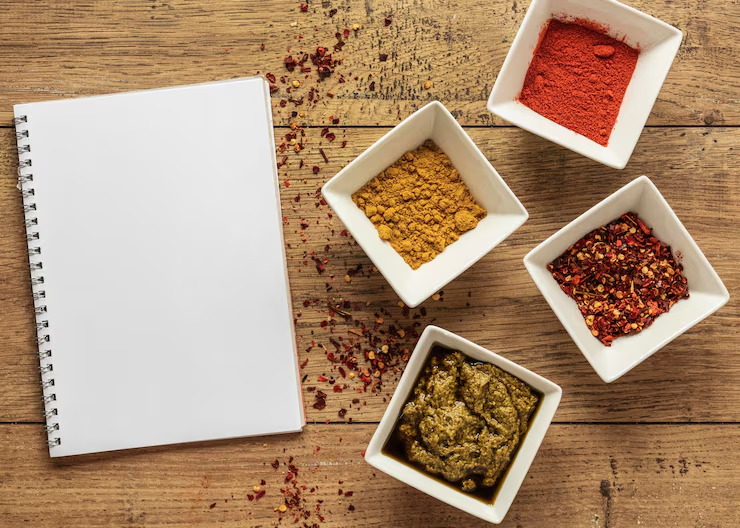
Adding herbs and spices is an easy way to elevate the flexitarian diet plan while keeping meals exciting and flavorful. Since this lifestyle emphasizes more plant-based foods, seasoning becomes essential for creating satisfying dishes. Spices like cumin, turmeric, paprika, and chili powder can transform simple vegetables or legumes into bold, delicious meals without relying on heavy sauces or excess salt.
Experimenting with different herbs and spices also boosts the nutritional value of your meals. Many seasonings, such as garlic, ginger, and cinnamon, have anti-inflammatory and antioxidant properties that support overall health. Fresh herbs like basil, cilantro, and parsley can brighten dishes while adding an extra dose of vitamins and minerals.
By learning to spice up your meals, the flexitarian diet plan feels anything but boring. Flavorful, diverse recipes make it easier to stay consistent, ensuring that healthy, plant-forward eating becomes both enjoyable and sustainable in the long run.
Herbs and spices add flavor and health benefits. Experiment with turmeric, garlic, cumin, and basil to keep meals exciting.
Stay Balanced
Balance is the foundation of the flexitarian diet plan, ensuring you get the nutrients your body needs while still enjoying flexibility. This means focusing on variety rather than perfection. Aim to fill most of your meals with plant-based foods like vegetables, legumes, and whole grains, while allowing occasional meat, fish, or dairy as complements. This balanced approach makes the diet realistic and easier to maintain long term.
Staying balanced also means paying attention to portion sizes and food groups. For example, pair plant-based proteins like beans or tofu with complex carbs and healthy fats for a complete meal. When you do include animal products, keep portions moderate and focus on quality choices to maintain nutritional harmony.
Most importantly, balance includes enjoying food without guilt. The flexitarian diet plan is not about strict rules, but about flexibility and sustainability, helping you nourish your body while still enjoying your favorite meals.
The flexitarian diet is about moderation, not deprivation. Enjoy occasional treats without guilt while focusing on overall balance.
Conclusion
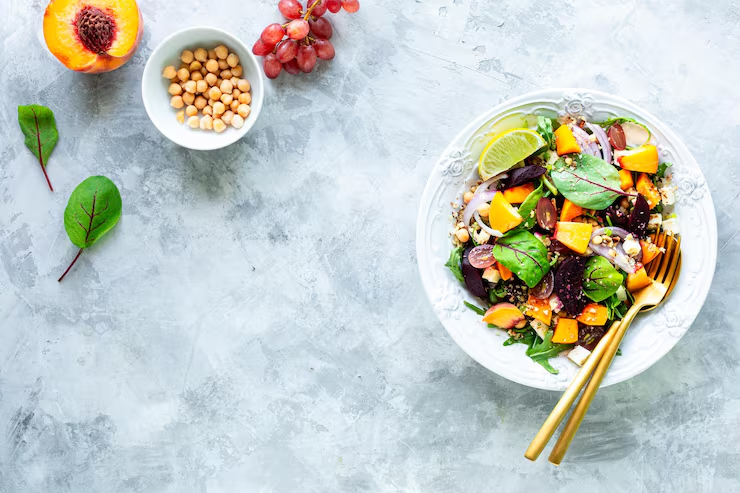
The flexitarian diet plan offers a practical, balanced approach to eating that benefits both your health and the planet. Unlike restrictive diets that demand cutting out entire food groups, this lifestyle focuses on flexibility—allowing you to enjoy mostly plant-based meals while still including meat, fish, or dairy in moderation. This adaptability makes it easier for people to embrace long term, without feeling deprived or overwhelmed by strict rules.
Health benefits are a major reason why many adopt the flexitarian diet plan. Prioritizing nutrient-rich whole foods such as vegetables, fruits, legumes, and whole grains helps lower the risk of chronic diseases like heart disease and type 2 diabetes. At the same time, including occasional animal products ensures that essential nutrients like protein, iron, and vitamin B12 are not neglected. This balance creates a sustainable path to better wellness and energy.
Beyond personal health, this lifestyle also supports the environment by reducing reliance on resource-heavy animal agriculture. Even small shifts—such as replacing a few meat-based meals each week with plant-based alternatives—can make a significant difference in lowering carbon emissions and conserving resources. In essence, the flexitarian diet plan is more than just a way of eating; it’s a mindful choice for a healthier body and a healthier planet.
The flexitarian diet plan is a realistic, healthy, and eco-friendly way of eating that emphasizes plants without forbidding meat entirely. By gradually shifting your meals toward nutrient-rich plant foods and applying the top 8 tips for success, you’ll enjoy better health, maintain a sustainable lifestyle, and still keep the flexibility you crave.
FAQs
Q1. What is a flexitarian diet plan?
The flexitarian diet plan is a flexible eating style that focuses on mostly plant-based meals while still allowing occasional meat, fish, or dairy. It’s not about strict rules but about balance and variety.
Q2. Is the flexitarian diet plan healthy?
Yes. Research shows that eating more plant-based foods while reducing meat intake can lower the risk of heart disease, diabetes, and certain cancers. It also supports better digestion and weight management.
Q3. Can I still eat meat on a flexitarian diet plan?
Absolutely. Meat is not eliminated but enjoyed in smaller portions and less frequently. The idea is to treat animal products as a complement rather than the main focus of a meal.
Q4. Is the flexitarian diet plan good for weight loss?
Yes, it can support weight loss because it emphasizes fiber-rich, nutrient-dense foods that keep you full longer, while reducing reliance on high-calorie processed meats.
Q5. How does the flexitarian diet plan help the environment?
By reducing meat consumption and prioritizing plants, the diet lowers greenhouse gas emissions, conserves water, and reduces strain on natural resources, making it eco-friendly.