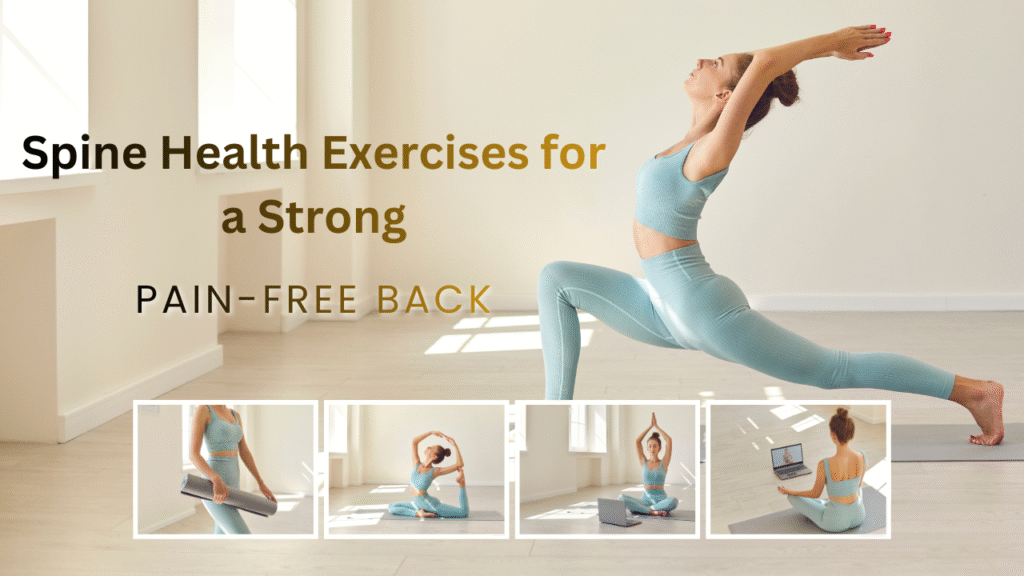
The spine is the central support system of the human body, responsible for maintaining posture, balance, and smooth movement. It allows us to stand upright, bend, twist, walk, and lift with stability and control. The spine also protects the spinal cord, which carries nerve signals between the brain and the rest of the body. When the spine is healthy, the body moves efficiently and pain-free. This is why including spine health exercise in daily routines is essential for maintaining overall physical well-being.
In today’s modern lifestyle, spine-related problems have become increasingly common. Long hours of sitting, poor posture, excessive screen time, lack of physical activity, and high stress levels weaken spinal muscles. Over time, this leads to back pain, neck pain, stiffness, and reduced mobility. Many people rely only on temporary pain relief, ignoring the root cause—weak and inactive muscles that support the spine. Without regular movement and strengthening, spinal problems can worsen, making spine health exercise an important preventive solution.
Spine health exercises help strengthen core and back muscles, improve flexibility, and maintain proper spinal alignment. Activities such as stretching, yoga, walking, and targeted strengthening exercises increase blood circulation and reduce muscle tension. Regular practice helps prevent serious conditions like slipped discs, sciatica, nerve compression, and chronic back pain. These exercises also improve posture and daily movement efficiency. By practicing spinal wellness exercise consistently, individuals can protect their spine, reduce pain, and enjoy better mobility and long-term spinal health.
What Is Spine Health Exercise?
Spine health exercise refers to physical activities and movements specifically designed to strengthen, support, and protect the spine. These exercises focus on improving the strength of the back, core, and surrounding muscles that help keep the spine stable and properly aligned. They also enhance flexibility and mobility, allowing the spine to move smoothly without pain or stiffness. Practicing spine health exercise regularly helps maintain good posture and reduces stress on the spinal joints and discs.
Spine health exercises include stretching, strengthening, and mobility-based movements. Stretching exercises reduce muscle tightness and improve flexibility, while strengthening exercises build support for the spine. Core-focused movements help stabilize the lower back, and gentle mobility exercises keep the spine flexible. Activities such as yoga, walking, swimming, and targeted back exercises are commonly included in spine health exercise routines.
The main goal of spine health exercise is to prevent and manage back and neck pain, reduce the risk of spinal injuries, and support overall movement. Regular practice improves blood circulation, promotes faster muscle recovery, and helps correct posture-related issues. By including spine health exercise in daily life, individuals can protect their spine, enhance physical function, and maintain long-term spinal health.
Where Is the Spine and Which Areas Need Exercise?
The spine is located along the center of the back, extending from the base of the skull down to the pelvis. It forms the main structural support of the body and protects the spinal cord. The spine is divided into five main regions: the cervical spine (neck), thoracic spine (upper and middle back), lumbar spine (lower back), sacral region, and coccyx (tailbone). Each region plays a unique role in movement, balance, and posture, and all of them require proper care and regular movement.
Different areas of the spine need specific exercises to stay healthy. The cervical spine benefits from gentle neck stretches and mobility exercises that reduce stiffness and improve head movement. The thoracic spine needs exercises that promote flexibility and posture correction, especially for people who sit for long hours. The lumbar spine requires strengthening exercises for the core and lower back to support body weight and prevent pain.
In addition to the spine itself, surrounding muscles such as the core, hips, and upper back also need exercise. Strong supporting muscles reduce pressure on the spine and improve stability. A balanced spine health exercise routine that targets all spinal regions helps prevent pain, improves posture, and supports smooth, pain-free movement in daily life.
Top 8 Spine Health Exercises (With Benefits & Ingredients)
Cat-Cow Stretch
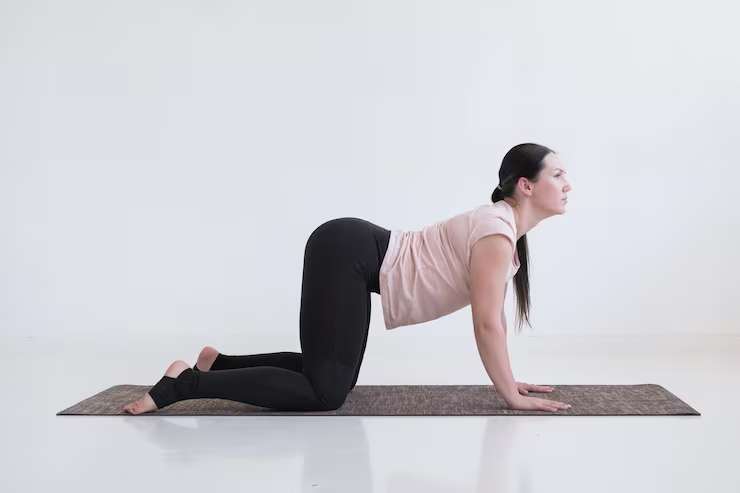
The Cat-Cow stretch is a simple yet highly effective movement that supports overall spine flexibility and mobility. This exercise involves gently moving the spine through flexion and extension, helping to release tension and improve spinal awareness. It is commonly practiced in yoga and is suitable for people of all fitness levels. As part of a regular routine, the Cat-Cow stretch plays an important role in spine health exercise by keeping the back flexible and reducing stiffness.
This stretch targets the entire spine, from the neck to the lower back. During the Cat pose, the spine rounds upward, stretching the back muscles and relieving tension. In the Cow pose, the spine arches downward, opening the chest and strengthening spinal support muscles. Together, these movements improve blood circulation around the spinal discs and joints. Regular practice helps reduce back pain, improve posture, and enhance coordination, making it a valuable spine health exercise.
To perform the Cat-Cow stretch, start on all fours with hands under shoulders and knees under hips. Inhale while dropping the belly and lifting the head and chest (Cow pose). Exhale while rounding the spine and tucking the chin (Cat pose). Move slowly with the breath for 8–10 repetitions. Practicing this daily helps maintain spinal flexibility and relaxation. Including the Cat-Cow stretch in your routine is an excellent way to support spine health exercise and long-term spinal wellness.
How It Helps Spine Health
This gentle movement improves flexibility of the entire spine and relieves stiffness in the neck and lower back.
Benefits
Improves spinal mobility
Reduces back stiffness
Enhances blood circulation
Supportive Ingredients / Nutrition
Warm water in the morning
Magnesium-rich foods
Light stretching oil massage
Child’s Pose
Child’s Pose is a gentle and relaxing posture that helps release tension in the spine and calm the body. It is widely used in yoga as a resting and recovery pose. This posture gently stretches the lower back, hips, and spine, making it suitable for people of all ages. As a soothing movement, Child’s Pose is an effective spine health exercise for reducing stiffness and promoting relaxation.
This pose allows the spine to lengthen naturally while relieving pressure on the lower back and neck. It helps relax tight muscles caused by stress, long sitting hours, or physical strain. Child’s Pose also improves blood circulation around the spinal muscles and discs, which supports healing and flexibility. Regular practice can reduce back discomfort, improve posture, and restore spinal balance, making it a valuable spine health exercise.
To perform Child’s Pose, kneel on the floor, sit back on the heels, and gently fold the upper body forward. Stretch the arms in front or place them alongside the body while resting the forehead on the floor. Breathe deeply and hold the position for 20–60 seconds. Practicing this pose daily helps release tension and supports long-term spinal comfort. Including Child’s Pose in your routine enhances spine health exercise and overall well-being.
How It Helps Spine Health
This resting stretch elongates the spine and relaxes the lower back muscles.
Benefits
Relieves lower back pain
Calms the nervous system
Reduces spinal compression
Supportive Ingredients / Nutrition
Chamomile tea
Warm milk
Anti-stress herbs
Cobra Stretch (Bhujangasana)
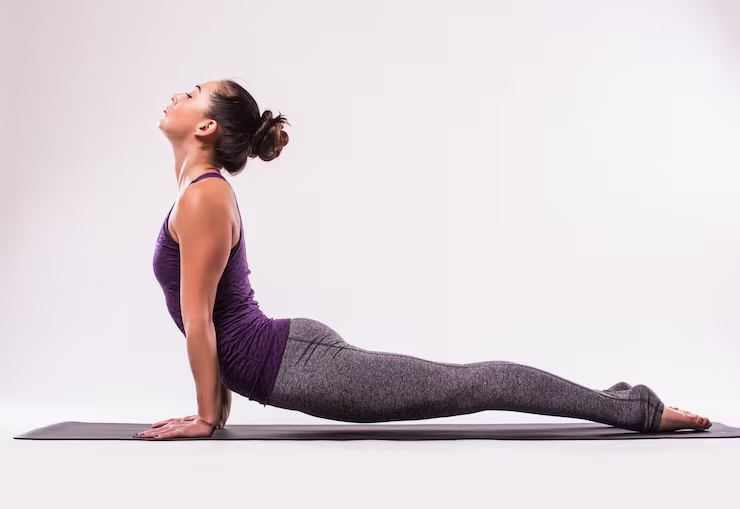
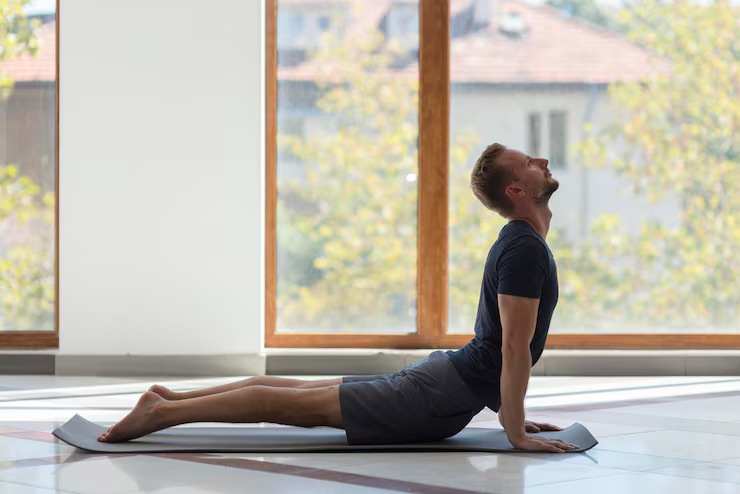
Cobra Stretch, also known as Bhujangasana, is a powerful yoga pose that strengthens and stretches the spine. This pose involves gently arching the back, which helps improve spinal flexibility and reduce stiffness. It is especially beneficial for people who spend long hours sitting or experience lower back discomfort. As a posture that promotes spinal extension, Cobra Stretch is an important spine health exercise for improving posture and spinal strength.
Bhujangasana mainly targets the lower back, upper back, and abdominal muscles. It helps open the chest, improve blood circulation along the spine, and relieve pressure on spinal discs. Regular practice can reduce back pain, strengthen spinal support muscles, and increase mobility. This pose also helps counter the effects of poor posture and prolonged sitting, making it a valuable spine health exercise for modern lifestyles.
To perform Cobra Stretch, lie flat on the stomach with palms placed under the shoulders. Keep the legs extended and gently lift the chest while pressing the palms into the floor. Keep the elbows slightly bent and avoid straining the neck. Hold the pose for 15–30 seconds while breathing deeply, then relax. Practicing Cobra Stretch regularly supports flexibility, strength, and long-term benefits of spine health exercise.
How It Helps Spine Health
This stretch strengthens the lower back and improves spinal extension.
Benefits
Strengthens spinal muscles
Improves posture
Reduces disc pressure
Supportive Ingredients / Nutrition
Protein-rich foods
Turmeric milk
Hydration
Pelvic Tilt Exercise
The Pelvic Tilt exercise is a simple yet effective movement that helps strengthen the lower back and core muscles. It focuses on improving control and stability of the pelvis, which plays a key role in supporting the spine. This exercise is especially helpful for people with lower back pain or poor posture. As a gentle and controlled movement, the Pelvic Tilt is an essential spine health exercise for maintaining proper spinal alignment.
This exercise targets the abdominal muscles, lower back, and pelvic region. By strengthening these muscles, the Pelvic Tilt helps reduce pressure on the lumbar spine and improve posture. It also increases awareness of spinal positioning, which is useful for preventing strain during daily activities. Regular practice can relieve stiffness, improve flexibility, and support spinal stability, making it an important spine health exercise.
To perform the Pelvic Tilt exercise, lie on your back with knees bent and feet flat on the floor. Gently tighten the abdominal muscles and press the lower back into the floor, tilting the pelvis upward. Hold for a few seconds, then relax. Repeat this movement 10–15 times with controlled breathing. Practicing Pelvic Tilts regularly helps strengthen the core and supports long-term benefits of spine health exercise.
How It Helps Spine Health
Pelvic tilts strengthen the core and stabilize the lower spine.
Benefits
Reduces lower back pain
Improves spinal alignment
Strengthens abdominal muscles
Supportive Ingredients / Nutrition
Eggs and lentils
Yogurt
Calcium-rich foods
Bridge Pose
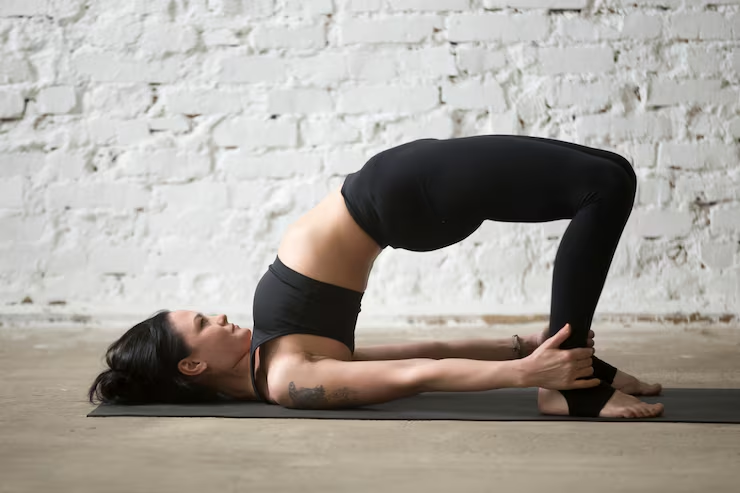
Bridge Pose is a beneficial exercise that strengthens the lower back, core, and hip muscles while supporting spinal stability. This pose helps activate muscles that support the spine and improves overall posture. It is suitable for people of all fitness levels and is often recommended for relieving lower back tension. As a strengthening movement, Bridge Pose is an effective spine health exercise for improving spinal support.
This pose mainly targets the lower back, glutes, and abdominal muscles, which play a key role in maintaining spinal alignment. By strengthening these muscles, Bridge Pose reduces stress on the spine and improves balance. It also enhances blood circulation in the spinal region and helps relieve stiffness caused by prolonged sitting. Regular practice can reduce back pain and increase spinal flexibility, making it a valuable spine health exercise.
To perform Bridge Pose, lie on your back with knees bent and feet flat on the floor, hip-width apart. Place arms by your sides and press the feet into the ground while lifting the hips upward. Keep the shoulders relaxed and avoid over-arching the back. Hold the position for 10–20 seconds, then slowly lower down. Practicing Bridge Pose regularly supports strength and stability through spine health exercise.
How It Helps Spine Health
Bridge pose strengthens the lower back, hips, and glutes, which support the spine.
Benefits
Improves spinal stability
Reduces lumbar pain
Enhances posture
Supportive Ingredients / Nutrition
Omega-3 fatty acids
Leafy green vegetables
Adequate hydration
Seated Spinal Twist
Seated Spinal Twist is a simple yet powerful movement that improves spinal mobility and flexibility. This exercise gently rotates the spine, helping to release tension built up from long hours of sitting or poor posture. It is especially helpful for the mid and lower back, making it an effective spine health exercise for daily routines. Regular practice supports better posture and reduces stiffness in the spinal muscles.
This exercise mainly targets the thoracic (middle) spine, lumbar (lower) spine, and surrounding muscles. Twisting movements help nourish spinal discs by improving blood flow and encouraging healthy movement patterns. Seated Spinal Twist also strengthens core muscles that support the spine and improves balance and coordination. For people experiencing mild back discomfort or tightness, this spine health exercise can provide noticeable relief when done correctly.
To perform Seated Spinal Twist, sit upright on the floor or a chair with your spine straight. Bend one knee and place the foot on the opposite side of the other leg. Gently twist your upper body toward the bent knee, placing one hand behind you for support. Keep your spine tall and breathe deeply. Hold for 15–30 seconds, then switch sides. Practicing this regularly enhances flexibility and supports long-term spinal wellness through spine health exercise.
How It Helps Spine Health
This exercise improves spinal rotation and flexibility.
Benefits
Improves spine mobility
Reduces stiffness
Enhances digestion and posture
Supportive Ingredients / Nutrition
Ginger tea
Fiber-rich foods
Warm water
Plank Exercise
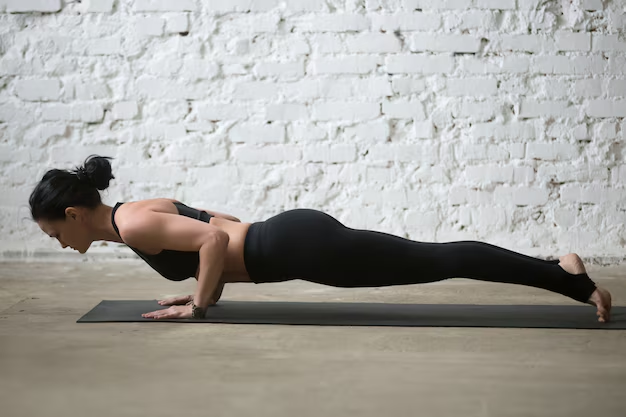
The plank exercise is one of the most effective movements for building overall strength and stability. It focuses on engaging the core muscles that directly support the spine, making it a powerful spine health exercise. By holding the body in a straight, controlled position, the plank helps maintain proper spinal alignment and reduces unnecessary strain on the back. Regular practice can improve posture and lower the risk of back pain caused by weak muscles.
Plank exercise mainly targets the abdominal muscles, lower back, hips, shoulders, and pelvic muscles. These muscle groups work together to stabilize the spine during daily activities like sitting, standing, lifting, and walking. Strengthening these areas helps protect the spine from injuries and supports better balance and endurance. As a spine health exercise, planks are especially useful for people who sit for long hours or experience frequent lower back discomfort.
To perform a plank, lie face down and place your forearms and toes on the floor. Keep your body straight from head to heels, avoid sagging or lifting the hips, and engage your core muscles. Hold the position for 20–40 seconds while breathing normally. Gradually increase the duration as strength improves. Practicing this spine health exercise consistently helps build a strong core and promotes long-term spinal health.
How It Helps Spine Health
Plank strengthens the core muscles that support the spine.
Benefits
Protects the spine
Improves balance
Reduces back strain
Supportive Ingredients / Nutrition
High-protein diet
Nuts and seeds
Electrolytes
Walking and Stretching Routine
A walking and stretching routine is one of the simplest and most effective ways to support spinal wellness. Walking keeps the spine active, improves posture, and promotes healthy blood circulation to spinal muscles. When combined with gentle stretching, it becomes a powerful spine health exercise routine that reduces stiffness and prevents back and neck pain. This routine is suitable for all age groups and can be practiced daily without special equipment.
Walking engages the lower back, hips, legs, and core muscles that support the spine. It helps maintain the natural curves of the spine while reducing pressure on spinal discs. Stretching after walking relaxes tight muscles in the neck, shoulders, lower back, and hamstrings. Together, walking and stretching improve flexibility, balance, and muscle coordination. As a spine health exercise, this routine helps counter the negative effects of prolonged sitting and poor posture.
To follow this routine, start with a 20–30 minute brisk walk at a comfortable pace. Keep your head upright, shoulders relaxed, and arms swinging naturally. After walking, perform gentle stretches such as neck rolls, shoulder stretches, forward bends, and side stretches. Hold each stretch for 15–30 seconds while breathing deeply. Practicing this spine health exercise regularly supports long-term spinal health and overall physical well-being.
How It Helps Spine Health
Walking combined with stretching keeps the spine active and flexible.
Benefits
Improves blood flow
Reduces stiffness
Maintains spinal health naturally
Supportive Ingredients / Nutrition
Vitamin D (sunlight)
Fresh fruits
Water intake
Conclusion
Maintaining a healthy spine is essential for overall mobility, balance, and quality of life. Regular spine-focused movements such as stretching, strengthening, and low-impact activities help keep the spine flexible and strong. When practiced consistently, each spine health exercise supports proper posture, reduces muscle stiffness, and protects the spinal discs from excessive strain. These exercises are not only preventive but also helpful in managing mild to moderate back discomfort.
Spine problems often develop gradually due to inactive muscles, poor posture, and a sedentary lifestyle. Incorporating daily routines like walking, stretching, planks, and gentle spinal movements strengthens the muscles that support the spine and improves blood circulation. A balanced approach that combines movement, relaxation, and body awareness makes spine health exercise more effective and sustainable in the long term.
In conclusion, spine health should be a daily priority, not just a response to pain. By practicing the right spine health exercise regularly, maintaining correct posture, and staying physically active, you can protect your spine, prevent future problems, and enjoy a healthier, more active life with less pain and better flexibility.
FAQ’s
Q1. What are the best spine health exercises for daily routine?
The best spine health exercises include cat-cow stretch, child’s pose, cobra stretch, pelvic tilts, bridge pose, spinal twists, planks, and regular walking.
Q2. Why are spine health exercises important for back pain?
Spine health exercises are important because they strengthen spinal muscles, reduce disc pressure, improve flexibility, and prevent chronic back pain.
Q3. Can spine health exercises prevent slipped disc?
Yes, regular spine health exercises strengthen core and back muscles, which help prevent slipped disc and spinal injuries.
Q4. How often should I do spine health exercises?
Spine health exercises should be done daily or at least 4–5 times a week for best results and long-term spine support.
Q5. Are spine health exercises safe for all ages?
Yes, gentle spine health exercises are safe for all ages when done correctly and consistently. People with severe pain should consult a professional.